Regional designers in Dubai: why shopping independent matters
Dubai is one of the best places in the world to shop for international fashion. Every major label is here. Yet some of the most interesting clothes, jewellery and objects in the city come from small studios run by designers from the region. This guide explains why regional design deserves your attention, how to find it and how to judge what you are buying.
What we mean by regional designers
When we talk about regional designers at Urbanist, we mean independent labels and makers from the Gulf, the Levant, North Africa and the wider Middle East, many of them now based in the UAE. Some are fashion designers with a few collections behind them. Others are jewellers, ceramicists, hat makers or artists who work in small batches. What they share is a personal point of view and a connection to the culture around them.
Why it matters
Originality. Independent designers are not trying to fill every shop in every mall. Their pieces are usually produced in small quantities, so you are less likely to meet someone wearing the same outfit.
Relevance to the climate and culture. Designers who live here understand the heat, the way people dress for Ramadan and Eid, and the need for clothes that move easily between a desert evening and an air-conditioned dinner. Linen sets, light kaftans and breathable fabrics are not trends here; they are practical.
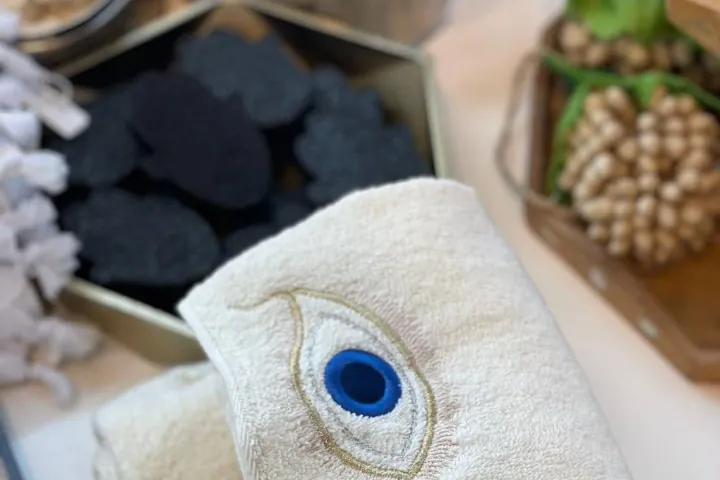
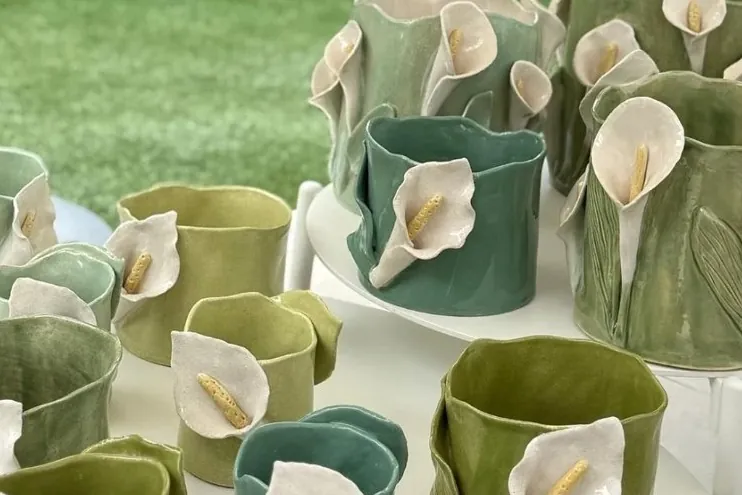
Craft. Many regional labels work with artisans and traditional techniques: embroidery, mother-of-pearl inlay, hand-made ceramics, beading. Buying from them helps keep those skills alive.
A direct relationship. Small labels often take feedback directly, adjust sizes and tell you exactly how a piece was made. That conversation is part of the value.
How to find them
Concept stores are the easiest starting point. Unlike department stores, they choose pieces one by one and often host pop-ups where designers show their collections in person. At Urbanist, pop-ups have introduced dozens of labels to Dubai, from linen co-ord sets to jewellery houses showing in the city for the first time.
Instagram is the second place to look. Follow the stores and designers you like and watch the tags: designers often share where their pieces are stocked. Art and design districts such as Alserkal Avenue also host seasonal markets and showcases.
How to judge quality
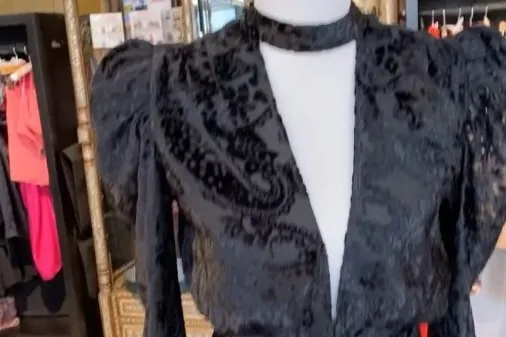
Look at the inside of the garment. Clean seams, finished edges and good buttons show care. Check the fabric composition on the label; natural fibres such as linen, cotton and silk are common among regional designers because they suit the climate. With jewellery, ask about the metal and the stones, and whether the piece is plated or solid. With handmade objects, small irregularities are part of the charm, but cracks or loose fittings are not.
Do not hesitate to ask questions. A good concept store knows its designers and can tell you how a piece fits, how to care for it and who made it.
Pricing and value
Independent design is not always cheaper than high-street fashion, and it should not be. Small production runs cost more per piece. What you get in return is better material, more thoughtful design and something that lasts. Many customers find that one well-made linen set or a handcrafted hat gets more wear than several cheaper purchases.
Supporting the next generation
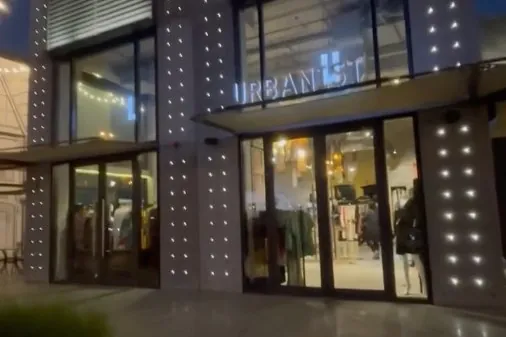
Every time a customer buys from a small label, that designer can produce the next collection. Concept stores play a role here too, by giving new names space on the floor and connecting them with customers who care. Urbanist has worked this way since it opened at Boxpark in 2015, with pop-ups, collaborations and an art gallery that shows artists from the region.
Caring for independent pieces
Small-batch pieces deserve a little extra care. Read the care label and ask the designer if anything is unclear. Hand wash delicate embroidery, keep beaded garments flat when stored, and protect jewellery from perfume and water. Handmade ceramics may not be dishwasher safe, so check before you use them every day. A little attention keeps a piece looking as good as the day you bought it.
Start with one piece
If you are new to regional design, start small: a piece of jewellery, a hat, a linen shirt. Learn the designer’s story, see how the piece wears, and you will soon know which labels you want to follow.
Visit Urbanist at Boxpark on Al Wasl Road, or message us on WhatsApp to ask which designers are in store this week.